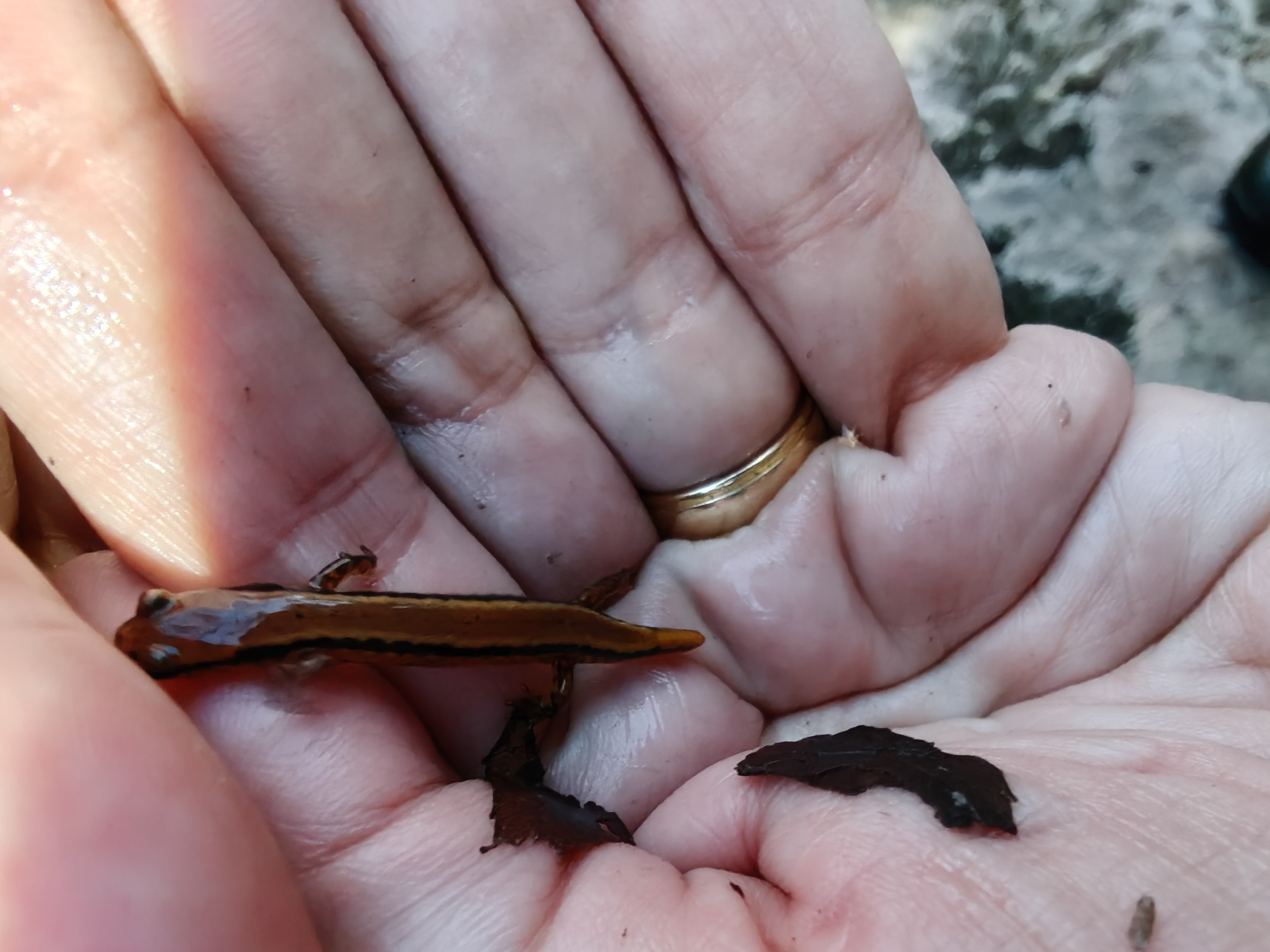
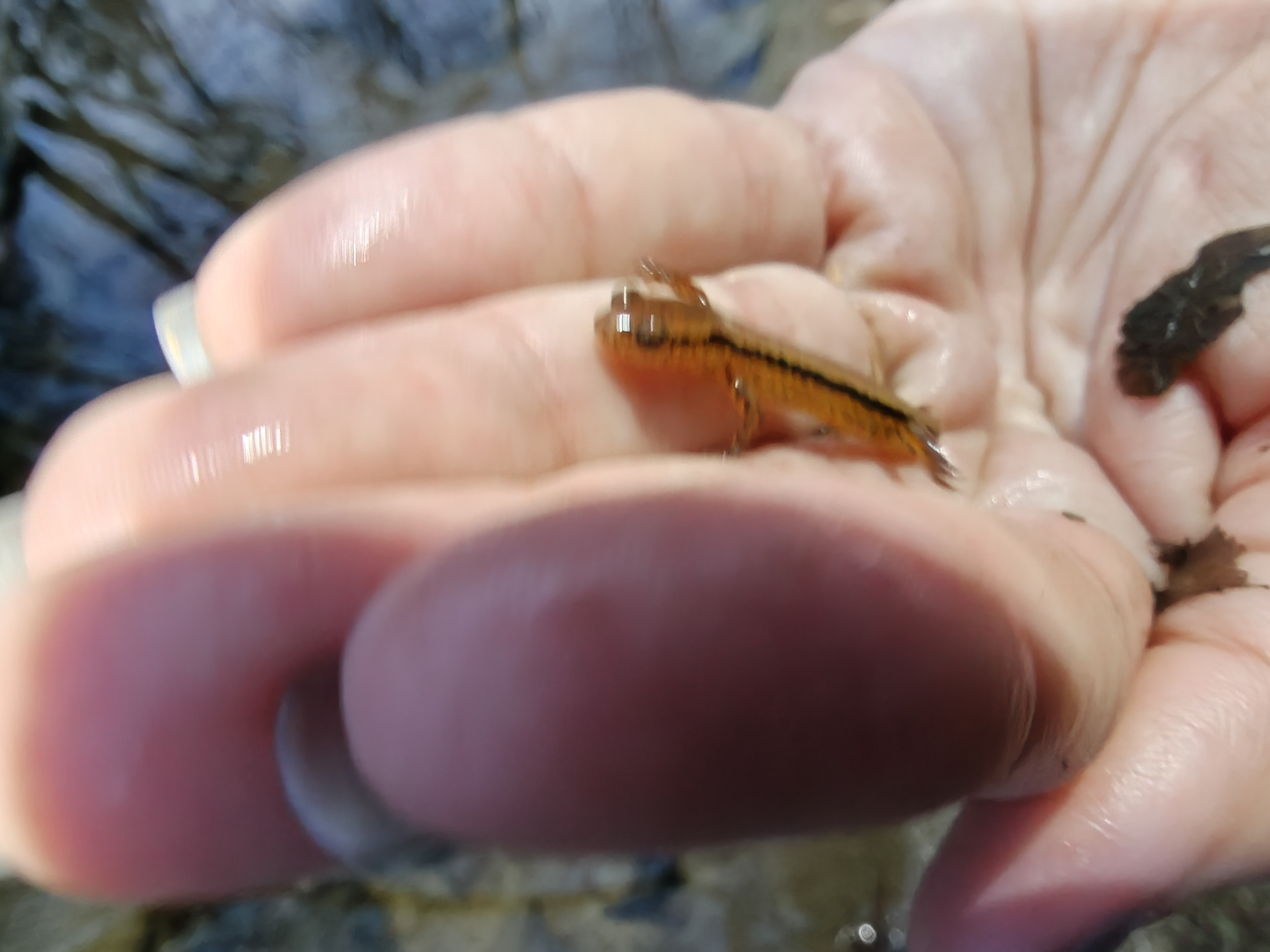
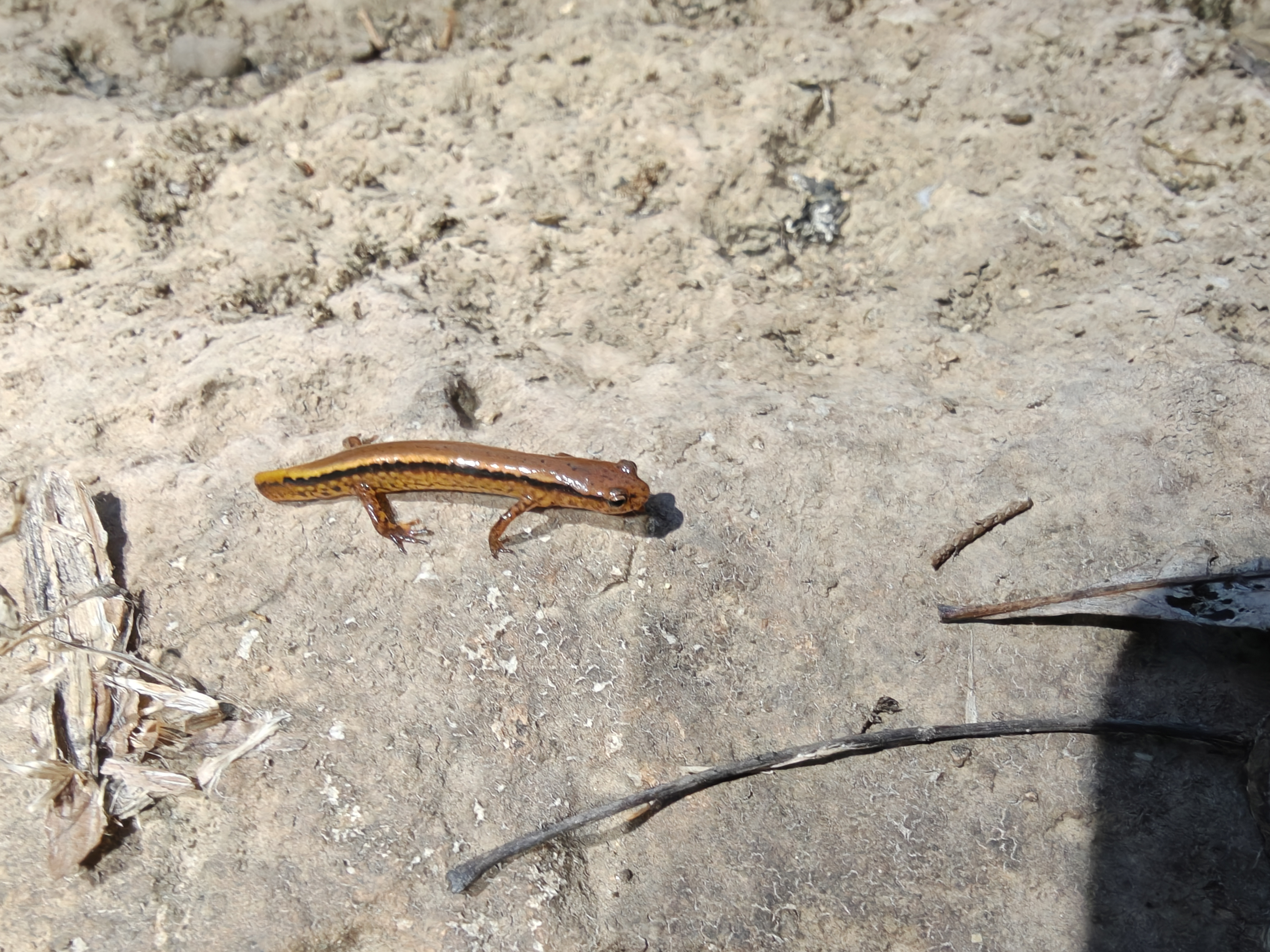
The Assis Lab integrates ecology, endocrinology, and immunology to uncover how organisms respond to environmental challenges, with implications for biodiversity conservation and disease resilience.
About the Lab →Get in Touch
Our Research Framework
Our research integrates endocrine signaling, immune responses, and ecological contexts to understand disease dynamics in amphibians.
About the Lab
The Assis Lab focuses on how physiological systems respond to environmental stressors. Using amphibians as model organisms, we investigate how endocrine mediators — including corticosterone, testosterone, and melatonin — interact with immune pathways across humoral, cellular, and molecular levels to shape organismal health and behavior.
Amphibians are among the most threatened vertebrates worldwide. By examining interactions between stress and immune function, our work aims to identify mechanisms that influence survival, disease resistance, and resilience in changing environments.
🧪
Stress Physiology
We study how hormones such as corticosterone, testosterone, and melatonin regulate physiological responses to environmental stress.
View publications →
🦠
Ecoimmunology & Disease Ecology
We examine how environmental factors — including temperature variation and pathogen exposure — shape immune function.
View publications →
🌎
Conservation & Biodiversity
We connect physiological mechanisms to broader ecological challenges, including amphibian declines, climate change, and emerging diseases.
View publications →
>
Contact
Get in touch
Department of Biological & Environmental Sciences University of West Alabama — Livingston, AL, USA
I am a biologist and physiologist interested in how environmental stressors shape endocrine and immune function, and ultimately organismal health. My research integrates endocrinology, immunology, and ecology to understand how physiological systems respond to environmental change, with a focus on amphibians as model organisms.
As an Assistant Professor at the University of West Alabama, I lead a research program examining how endocrine mediators — such as corticosterone, testosterone, and melatonin — interact with immune processes across multiple levels of biological organization, from humoral and cellular responses to molecular mechanisms.
Through this work, I aim to uncover mechanisms that influence disease susceptibility, resilience, and population dynamics in a rapidly changing world.
I am a biologist and physiologist interested in how environmental stressors shape endocrine and immune function, and ultimately organismal health. My research integrates endocrinology, immunology, and ecology to understand how physiological systems respond to environmental change, with a focus on amphibians as model organisms.
As an Assistant Professor at the University of West Alabama, I lead a research program examining how endocrine mediators — such as corticosterone, testosterone, and melatonin — interact with immune processes across multiple levels of biological organization, from humoral and cellular responses to molecular mechanisms. Through this work, I aim to uncover mechanisms that influence disease susceptibility, resilience, and population dynamics in a rapidly changing world.
Academic Background
Post-Doctoral Research
University of South Florida (USF Tampa), 2025
Post-Doctoral Research
University of São Paulo (USP), 2020
PhD — General Physiology
University of São Paulo (USP), 2015
MSc — General Physiology
University of São Paulo (USP), 2010
BSc — Biological Sciences
UNESP, 2007
Affiliations & Partners
University of West Alabama
University of South Florida (USF Tampa)
University of São Paulo (USP)
UNESP
FAPESP
CNPq
Royal Society — Phil Trans B
Wiley — Editorial Board
Lab Members
SP
Sophie Phillips
UWA Undergraduate Student
PD
Pearl Davies
UWA Undergraduate Student
--
Name — to be added
Graduate Student
* Lab members will be updated soon. Interested in joining? Contact Dr. Assis.
← Back to home
Gallery
Field work, lab, conferences and team
🔬Lab work
🐸Field collection
🎤Conference
🌿Fieldwork
👩🔬Team in the field
📚Mentoring
🎓Thesis defense
📸 Photos coming soon.
← Back to home
Projects
Research projects, field work and collaborations
🌿
2025–presentActive
Amphibian diversity at the UWA Cahaba Biodiversity Center
Mapping amphibian diversity at the UWA Cahaba Biodiversity Center: a baseline survey for conservation research.
View project →
🔬
2026–presentActive
Immune-pineal-ocular axis in amphibians
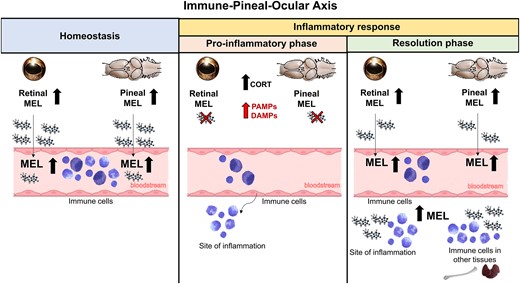
Role of melatonin in regulating inflammatory responses through a proposed immune–pineal–ocular axis. Supported by FAPESP (grant: 2025/07374-0).
View project →
🔬
Coming soon
More projects coming soon
Additional research projects will be added here.
← Back to projects
Amphibian diversity at the UWA Cahaba Biodiversity Center
University of West Alabama · Bibb County, Alabama
Conservation BiologyBiodiversityField ResearchCahaba River
The UWA Cahaba Biodiversity Center (CBC) is located on over 2,100 acres of pristine land in Bibb County, Alabama, with extensive frontage on the Cahaba River — one of the most biodiverse rivers in North America. The property was gifted to the University of West Alabama by landowner William D. "Bill" Hubbard, whose vision was to create a world-class outdoor classroom and research station for future generations of scientists.
Alabama ranks 4th in biodiversity among all U.S. states and 1st east of the Mississippi River, leading in freshwater fish, mussels, snails, turtles, and crayfish species. The CBC sits at a unique transition zone between the Appalachians and the Coastal Plain, creating an exceptional diversity of habitats — from limestone glades and sinkholes to hardwood forests and natural springs.
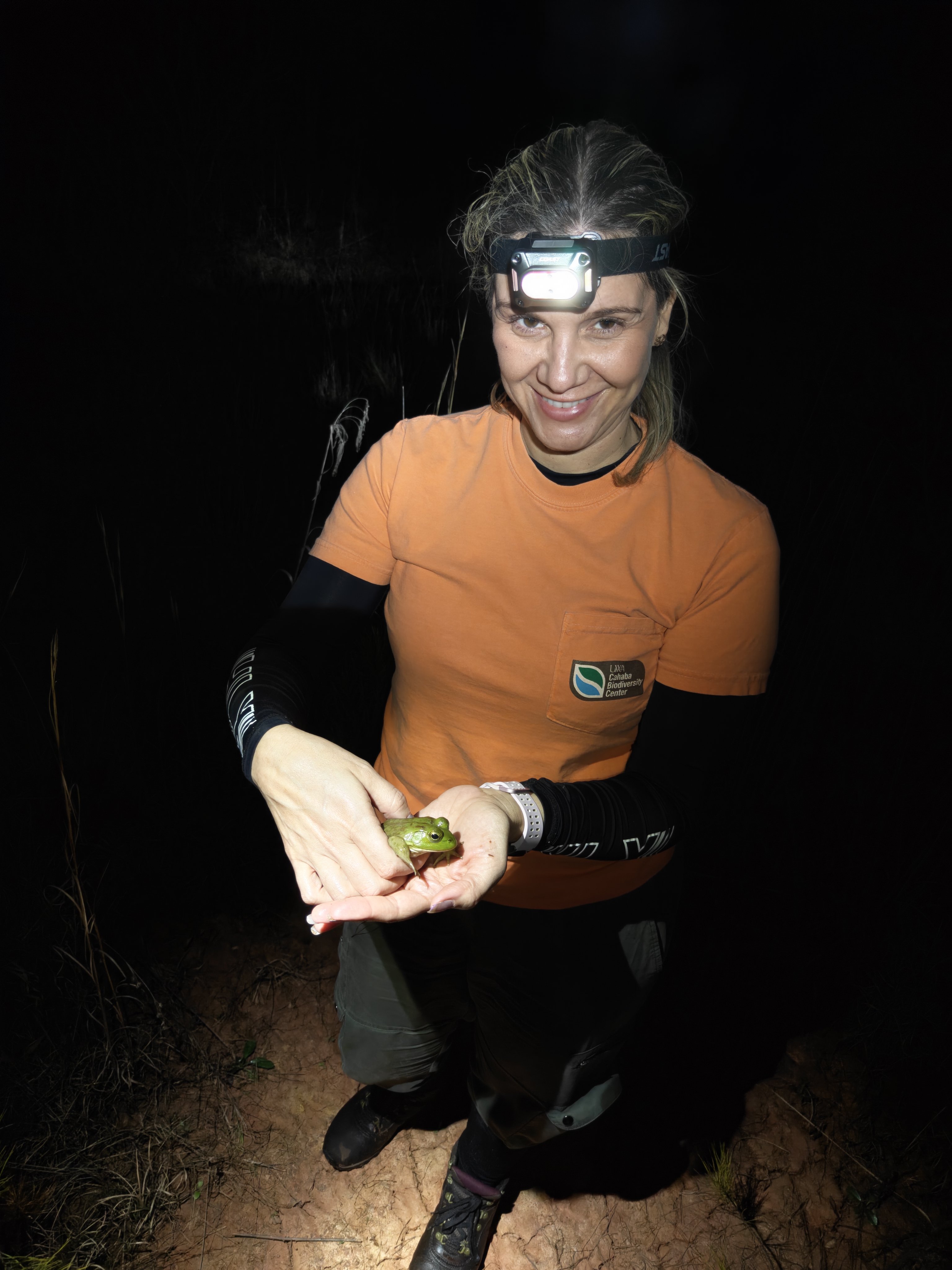
Dr. Vania Assis conducts field research at the CBC, integrating conservation physiology with the Center's mission to advance biodiversity research and education. The CBC serves as an outdoor laboratory for studying wildlife health, population ecology, and the interrelationships between amphibians and their environment.
Science beyond the lab — engaging communities, students, and the public
Dr. Vania Assis is committed to bringing science to the community — through public talks, field events, international collaborations, and hands-on experiences with local wildlife. Outreach is a core part of her mission at UWA, connecting research with real-world impact.
🦎
April 17, 2026🎓 Seminar Series
Bioignite Seminar Series — "Herp Talks & Careers in Wildlife Science"
An interdisciplinary seminar organized by Dr. Assis featuring leading researchers in reptile health, snake disease, and wildlife careers beyond academia. Speakers include Dr. Lori Neuman-Lee (Arkansas State University), Natalie Haydt (PhD student, ASU), and Emily Field Rezac (Mississippi Dept. of Wildlife, Fisheries & Parks). Open to students and faculty.
📍 UWA Cahaba Biodiversity Center, Bibb County, AL · 5:00 PM
A community field event led by Dr. Assis where participants explore local amphibians and reptiles — salamanders, lizards, snakes, turtles, frogs, and treefrogs — both during the day and night at the CBC. Dinner, overnight stay, and breakfast included. Spots are limited.
📍 Dog Street Café & Outfitters — Downtown Livingston, AL · 6:30 PM
A public Pub Talk where Dr. Assis brought amphibian science to the community — covering why frogs, salamanders, and other herps are critical bioindicators of ecosystem health, and what we can do to protect them.
Dog Street Pub Talk Series
🌎
September 2025🌎 International Collaboration
From São Paulo to the Cahaba — International Scholar Visit & First CBC Amphibian Event
📍 UWA & Cahaba Biodiversity Center · September 23, 2025
Felipe R. Floreste, doctoral candidate from the University of São Paulo (Brazil), spent two weeks at UWA collaborating with Dr. Assis. His visit included field expeditions to the CBC — spotting snakes, salamanders, frogs, treefrogs, and bats — and helped launch UWA's first-ever Amphibian Event, with sightings logged in iNaturalist. He also worked with UWA undergraduates on amphibian immunology techniques and delivered a seminar, "Ribbit and resist: advances in amphibian immunology amidst pandemics," praised by Dean Merida as a transformative experience for the UWA community.
🐸 iNaturalist observations recorded
← Back to projects
Immune-pineal-ocular axis in amphibians
2026–present · FAPESP 2025/07374-0
EcoimmunologyMelatoninInflammationAmphibians🔬 In Development
"Immune-pineal-ocular axis in amphibians: the melatonin role in modulating the inflammatory response and chronorupture induced by immune challenges"
This project investigates the role of melatonin in regulating inflammatory responses in amphibians through a proposed immune–pineal–ocular axis. The research examines how immune challenges affect melatonin production in the pineal gland, retina, and immune cells, and evaluates the role of locally produced melatonin in phagocytosis and inflammatory processes using in vivo immune stimulation and in vitro immune cell assays.
This project is supported by Fundação de Amparo à Pesquisa do Estado de São Paulo (FAPESP grant: 2025/07374-0).